01614578100
 hello@alexanderclifford.co.uk


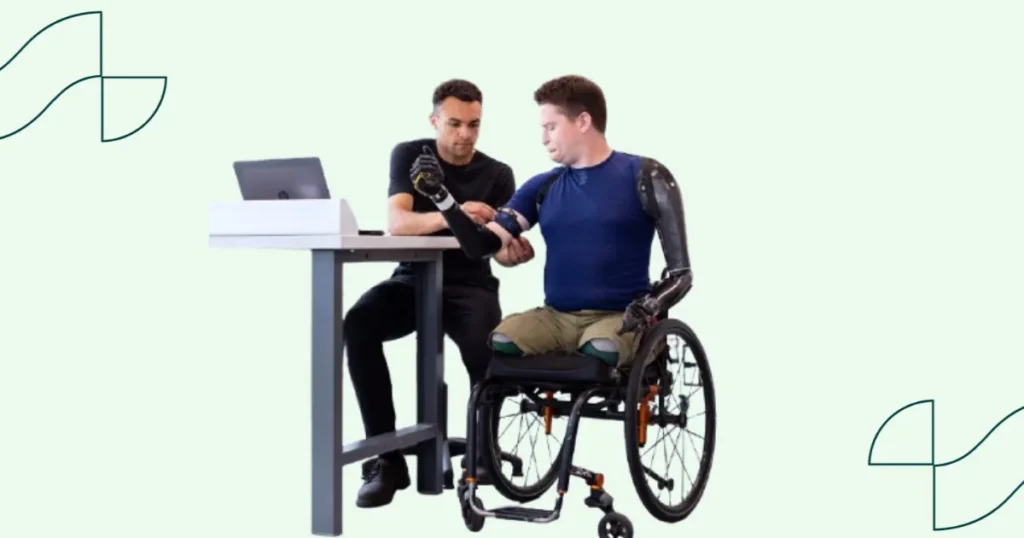
If you’re involved in innovation within the UK healthcare sector, whether you’re developing new medical devices, improving diagnostic methods, or building smarter healthcare software R&D Tax Credits can offer valuable financial support. These government incentives are designed to reward organisations investing in research and development.
Whether you’re a biotech startup, a healthtech company, or an NHS supplier, this blog explains who can claim, what counts as R&D, and how to make the most of the tax relief available.
What Counts as R&D in Healthcare?
In simple terms, R&D involves work that aims to make a scientific or technological breakthrough. In healthcare, this could mean creating a new diagnostic tool, improving how patient data is analysed, or developing a medical device with features that don’t yet exist.
What matters most is that there’s uncertainty in the process, meaning it’s not clear at the outset how to achieve your goal, or even if it can be done. Projects that involve testing, prototyping, or solving complex technical problems often qualify, even if they don’t succeed in the end.
Why It Matters for Medical Innovation
R&D tax relief can make a real difference to healthcare organisations working on cutting edge projects. It reduces the financial pressure of innovation, helping companies invest more confidently in areas like personalised medicine, AI-driven diagnostics, or remote patient monitoring. In a sector where progress can take years and risks are high, these tax credits help sustain long-term development.
Who Can Claim R&D Tax Credits in UK Healthcare?
Any UK company paying corporation tax can claim R&D tax relief this includes private healthcare providers, NHS suppliers, and start-ups developing healthtech or medical products. The key is that your business is doing R&D work and taking on the financial risk involved.
Healthcare Charities and Academic Bodies
Most charities and universities aren’t eligible because they don’t pay corporation tax. However, if they run separate trading companies (subsidiaries), those businesses might qualify. Joint projects with eligible companies may also open the door to claiming relief.
Qualifying Criteria Under the Merged Scheme
To qualify, a company must:
- Be subject to UK corporation tax.
- Carry out work that meets HMRC’s definition of R&D.
- Spend money on eligible costs like staffing or materials.
- Submit the new Additional Information Form before filing a claim.
It’s also essential to keep detailed records that show how your project fits HMRC’s criteria.
Examples of Eligible Healthcare R&D Projects
Developing Diagnostic Devices
Creating or improving medical testing equipment, such as blood analysis tools or portable imaging devices, can qualify as R&D, especially if you’re working with new technologies or tackling technical challenges.
Clinical Trials and Drug Development
Drug trials, including early-stage clinical testing and the development of trial protocols, usually qualify. These projects often involve scientific uncertainty and complex data analysis.
AI Tools and Healthtech Software
If you’re developing software that uses artificial intelligence for tasks like risk prediction or scan analysis, your work may be eligible, particularly if you’re building custom algorithms or integrating new systems.
Telehealth and Wearable Innovations
Work on remote monitoring systems, mobile health apps, or wearable devices that track patient data in real time often counts as R&D. This is especially true when you’re working on new features or solving technical problems.
How to Claim R&D Tax Credits
Identify Projects and Eligible Costs
Start by reviewing which projects meet HMRC’s R&D definition. Then break down the costs involved; this could include salaries, materials, software, or payments to contractors and clinical trial participants.
Complete the Additional Information Form (2025)
As of 2025, Additional Information Form (AIF) is required for all claims. It asks for detailed descriptions of your R&D work, technical challenges, and how costs were calculated.
Submit the CT600 with the Claim
The actual tax relief is claimed through your company’s CT600 tax return. Make sure the figures match what’s in the R&D Additional Information Form, and file within two years of the end of the relevant accounting period.
Prepare for HMRC Review or Enquiry
HMRC is increasing scrutiny of R&D claims. To be ready, keeping good records, technical notes, timesheets, project plans, and cost breakdowns will all help if your claim is selected for review.
Healthcare Sector R&D Case Studies
Biotech SME Drug Trial
A biotech firm ran Phase II trials for a new treatment and claimed tax relief on staff costs, lab supplies, and contractor fees. The project involved significant uncertainty and qualified even though the treatment didn’t reach the market.
Digital Health Software Start-up
A start-up developed a mobile app to detect cardiac abnormalities using machine learning. They claimed costs related to AI development, cloud hosting, and cyber security improvements.
NHS Supplier Developing Smart Devices
A company supplying the NHS created a smart inhaler with dose tracking features. The team faced technical hurdles around connectivity and firmware development, making it a strong R&D claim.
How Much Can Be Claimed in 2025?
Merged Scheme vs Legacy Schemes (RDEC/SME)
Under the new merged scheme, the rate of relief is expected to be around 20% of eligible R&D spend. For profitable companies, this typically means a 15% net saving after tax. Loss making businesses may receive a cash credit, subject to limits.
Cost Categories: Staff, Consumables, Software, Trials
HMRC allows claims on a range of costs, including:
- Salaries, employer NIC and pensions
- Materials and lab consumables
- Cloud and software tools
- Payments to trial participants or third-party researchers
- Some subcontractor and freelancer costs
Common Questions About Healthcare R&D Tax Relief
What activities qualify as R&D in healthcare?
Any project that tries to make a scientific or technical advance, and involves uncertainty, could qualify, this includes device development, data science, and clinical research.
Can NHS suppliers claim R&D tax credits?
Yes, if they are limited companies and bear the financial risk of the work.
Are clinical trials included?
Yes, particularly early stage or innovative trials that involve technical planning and problem solving.
What documentation is required in 2025?
You must submit an Additional Information Form and keep detailed records to support your claim.
What are the deadlines for claiming?
Claims must be filed within two years of the end of the accounting period when the R&D spending took place.
Need help with your healthcare R&D tax claim?
Innovation is vital to the future of UK healthcare. Whether you’re creating breakthrough treatments, smarter devices, or transformative digital tools, R&D tax credits can help you push boundaries without breaking your budget. With the 2025 changes now in place, understanding how to claim and ensuring your projects qualify has never been more important.
Get a free consultation with Alexander Clifford by filling in the form below, let’s work together to maximise your return on innovation in 2026 and beyond. Begin your R&D tax credit claim by completing the form below, or click here to schedule an appointment with one of our R&D tax relief experts.
Book a quick call