01614578100
 hello@alexanderclifford.co.uk


 Claim Outcomes
Knowledge Library
Explore the complexities of R&D tax credits with our comprehensive knowledge library. Containing information on topics such as R&D eligibility criteria, HMRC enquiries, accounting and finance, qualifying R&D costs, R&D schemes, the claim process, R&D tax relief and the outcomes. Our knowledge library is the key to understanding R&D tax credits. Navigate the intricacies of R&D tax credits available to businesses in the UK.
Search the library
- Specialist-written guidance
- Answers reviewed regularly
- UK R&D tax focused
- Clear, practical explanations
Start with your question
Accounting and finance
Explore the accounting and financial aspects of R&D tax credits
Eligibility criteria
Determine your eligibility for R&D tax relief, who can claim, and more
ERIS scheme
Explore the intricacies of Enhanced R&D Intensive Support (ERIS)
HMRC enquiries
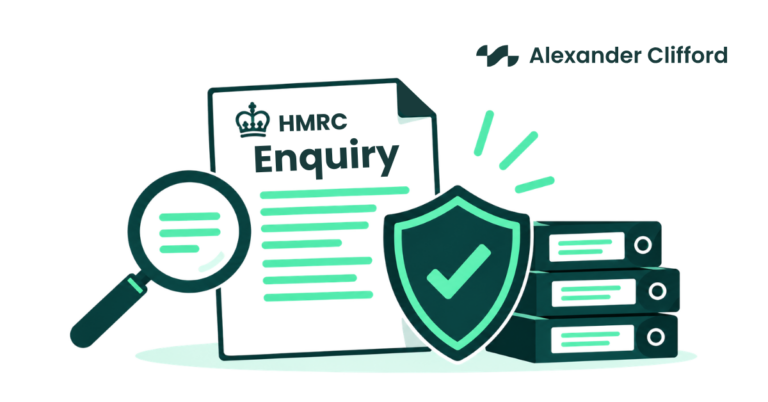
Instances of HMRC enquiries and their impact on the outcome
Merged scheme
Explore insights into financial incentives for your business's R&D innovation
Qualifying expenditure
Everything you need to know about qualifying R&D costs in one place
Browse all topics
Accounting and finance
Explore the accounting and financial aspects of R&D tax credits
7 questions
Eligibility criteria
Determine your eligibility for R&D tax relief, who can claim, and more
14 questions
ERIS scheme
Explore the intricacies of Enhanced R&D Intensive Support (ERIS)
5 questions
HMRC enquiries
Instances of HMRC enquiries and their impact on the outcome
10 questions
Merged scheme
Explore insights into financial incentives for your business's R&D innovation
6 questions
Qualifying expenditure
Everything you need to know about qualifying R&D costs in one place
8 questions
R&D tax credit scheme
Discover the ins and outs of R&D tax relief and their impact on business
8 questions
The claim process
Everything you need to know for claiming R&D tax credits
14 questions
The outcome
Discover the outcomes of R&D tax credits to make informed decisions
5 questions
Popular questions
The accounting treatment of R&D tax relief will depend on which scheme applies to your project based on eligibility and level of qualifying R&D expenditure. Accounting Periods Beginning On or After 1 April 2024 For most companies, the merged scheme now applies. The merged scheme…
Read the full answerIf you’ve been investing in research and development but your company hasn’t turned a profit yet, you may still be able to claim R&D tax credit relief. This government incentive was introduced in order to support businesses carrying out qualifying R&D activities, even during early…
Read the full answerThe Enhanced R&D Intensive Support (ERIS) scheme was designed for SMEs who are loss-making and have spent a significant proportion of their costs on research and development. For accounting periods beginning on or after 1 April 2024, a business that meets the ERIS conditions can…
Read the full answerSometimes, an R&D tax credit claim may be offset against outstanding tax owed to HMRC. This means that where a company has unpaid tax obligations, HMRC may apply the value of the R&D tax relief to those amounts before any remaining balance is released to…
Read the full answerA claim under the R&D Merged Scheme is made through the company's Corporation Tax return. Before submitting the claim, the company needs to identify its qualifying R&D projects, determine which activities meet the definition of R&D for tax purposes and calculate the qualifying expenditure associated…
Read the full answerEmployee wages: Salaries, wages, bonuses, employer National Insurance Contributions (NIC) and pension contributions of employees directly involved in qualifying R&D activities are generally eligible types of expenditure. This typically includes: Researchers Engineers Technical staff These types of employees if the project must have been actively…
Read the full answerAs of 1 April 2024, the UK R&D tax relief system consists of two primary forms of support: the merged R&D scheme and Enhanced R&D Intensive Support (ERIS). These changes were introduced by HMRC to simplify the R&D tax credit relief regime and provide additional…
Read the full answerNo, businesses do not need to wait until an R&D project has been completed before making a claim. If your company has incurred qualifying R&D expenditure during an accounting period, those costs can be included in an R&D tax relief claim, even if the project…
Read the full answerThe value of your R&D tax relief claim depends on several factors, including your qualifying R&D expenditure, the scheme your claim falls under, and the accounting period being claimed. It also depends on whether your company is profitable or loss-making, as this can affect how…
Read the full answerDe minimis state aid grants refers to a form of state aid provided by the government to businesses, but it is subject to a maximum allowable amount over a specific period of time. For this reason, it could have a significant impact on SMEs (small…
Read the full answerGo deeper with expert guidance
View all insights

Not sure where your claim fits?
Answer a few questions and estimate whether your business may qualify for R&D tax relief.
Recently updated answers
Get specialist help
Still need help with your R&D tax question?
Our hassle-free and streamlined process is waiting for you to get started and to make you feel confident throughout your R&D claim application.
- Free, no-obligation consultation with an R&D tax specialist
- Clear answers on eligibility, costs, claims and HMRC enquiries
- Practical guidance based on your project, sector and claim position
R&D Tax Credit Calculator
R&D Tax Credit Calculator
Is your company registered in the UK?
Only UK companies paying Corporation Tax can claim R&D tax credits
Unfortunately, only UK-registered companies are eligible for R&D tax credits. If you are considering UK incorporation, we can advise you.
Is your company currently profitable?
This determines whether you receive tax relief or a cash credit
Estimated annual R&D spend
Include staff costs, materials, software, and subcontractors
£100,000
Annual R&D expenditure
Optional — leave as 0 if none
What industry are you in?
This helps us provide tailored guidance
Your estimated R&D tax credit
£0*
- This amount is only an estimate — actual claim may vary*
- We will conduct a full assessment to maximise your claim
- No win, no fee basis
R&D tax credit specialists
Why claim with Alexander Clifford?
Speak with experts who maximise your claim and handle HMRC — on a no win, no fee basis.
- No Win, No Fee Only pay once you’ve successfully claimed
- £63,000 Average payment secured per client
- 1000+ Businesses helped to boost their return
- Rated 5 stars Top Google reviews from happy clients


Prefer to talk? 01614578100